SPEAKING. Speak on the given topics:
Speak on the given topics:
1. Introducing yourself
2. People and countries
3. My friends
4. My classroom
5. At English class
6. About my timetable
7. Jobs
8. My family.
9. My working day
10. At the doctor
11. My hobby
12. Free time activities
13. My biography
14. Famous people
15. Travelling
16. Healthy lifestyle
17. My house/flat
18. Neighbors
19. Town and directions
20. Meals and food
21. Famous people
22. My future plans
23. Adventures
24. The world around us
25. Music
26. Books
27. Library
28. My native town
29. Great cities.
30. My academy
2. Answer the following questions on given themes:
1.What’s your name?
2. What do you do?
3. How old are you?
4. What’s your phone number?
5. How old is your father/ mother? When’s his/her birthday
6. How many brothers and sisters have you got?
7. Can you name three relatives?
8. Can you say who they are and what they do?
9. What sports do you play?
10. What TV programs do you watch?
11. Can you say what time and date the date is?
12. Can you describe a person in your family (age and appearance)?
13. How often do you use the Internet?
14. Can you say two things you can do well and two things you can’t do?
15. Can you say two things you love doing and two things you hate doing?
16. Can you tell about your favorite film?
17. How often do you read in English?
18. What’s your favorite TV program?.
19. Where and when were you were born?
20. Say five things you did yesterday morning?
21. Say five things you did last week?
22. What time did you go to bed?
23.When was the last time you spent a lot of money?
24. How many rooms are in your flat.
25. Do you have good neighbours?
26. Do you live in a village, town, or city? Do many tourists visit it? When do they come?
27. How many times a year do you go to the doctor?
28. What’s your favorite sport? What?
29. How often do you go to the concert?
30.Do you like your study at Academy?
3. Taking part in conversations according to the following situations(describing things):
|
| My friend
| |
| My hobby
| |
| My daily routine
| |
| Our planet
| |
| I’m at English class
| |
| My favorite subject
| |
| Meal times in our country
| |
| My free time activities
| |
| Food around the world
| |
| My study
| |
| My favorite music, song, band
| |
| Seasons
| |
| My study
| |
| My holiday
| |
| My favorite writer
| |
| My favorite book
| |
| Libraries play a great role in peoples life
| |
| Music in my life
| | Describe these things:
| |
| Your room: window, door, corner, ceiling, floor, wall, picture, left side, right side, there is/are.
| |
| Your house: big, small, yard, garage, garden, rooms, wall, floor, windows, door.
| |
| Your classroom: table, blackboard, books, computer, chair, desk, chalk, big, small, bookshelf.
| |
| Your teacher: eyes, hair, brown, old, young, lips, nose, fair, dark, short, tall etc.
| |
| Your friend: tall, short, eyes, ears, mouth, lips, hair, nose, dark, face.
| |
| Your brother: eyes, ears, hair, hands, fair, dark, nose, face, fingers, handsome.
| |
| Your sister: beautiful, eyes, ears, mouth, lips, face, slim, nice, tall, curly.
| |
| Your English lesson: interesting, textbook, notebook, read, speak, listen, write, repeat, copy the rhythm, underline.
| |
| Your free time: go out, chat, walk, go to the cinema, texting messages, reading the books, watching TV, go to the nightclub, walk out my dog, sleeping.
| |
| Your city: polluted, clean, airy, in the centre, zoo, park, green, markets, stadium, transport.
| |
| Your favorite painting: picturesque, style, colors, fascinating, impressive
| |
| Your group mates: friendly, helpful, intelligent, hardworking etc.
|

Важнейшие способы обработки и анализа рядов динамики Не во всех случаях эмпирические данные рядов динамики позволяют определить тенденцию изменения явления во времени...
|
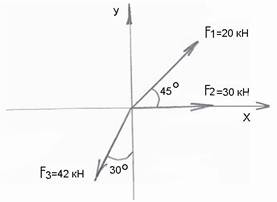
ТЕОРЕТИЧЕСКАЯ МЕХАНИКА Статика является частью теоретической механики, изучающей условия, при которых тело находится под действием заданной системы сил...
|
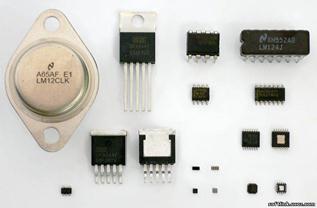
Теория усилителей. Схема Основная масса современных аналоговых и аналого-цифровых электронных устройств выполняется на специализированных микросхемах...
|
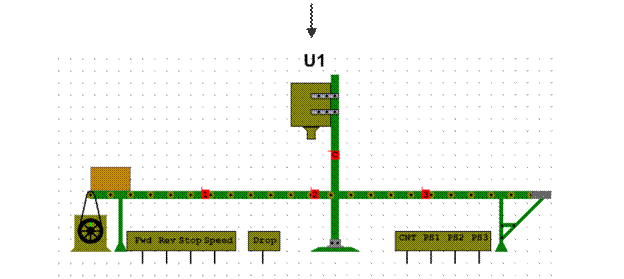
Логические цифровые микросхемы Более сложные элементы цифровой схемотехники (триггеры, мультиплексоры, декодеры и т.д.) не имеют...
|
Гальванического элемента При контакте двух любых фаз на границе их раздела возникает двойной электрический слой (ДЭС), состоящий из равных по величине, но противоположных по знаку электрических зарядов...
Сущность, виды и функции маркетинга персонала Перснал-маркетинг является новым понятием. В мировой практике маркетинга и управления персоналом он выделился в отдельное направление лишь в начале 90-х гг.XX века...
Разработка товарной и ценовой стратегии фирмы на российском рынке хлебопродуктов В начале 1994 г. английская фирма МОНО совместно с бельгийской ПЮРАТОС приняла решение о начале совместного проекта на российском рынке. Эти фирмы ведут деятельность в сопредельных сферах производства хлебопродуктов.
МОНО – крупнейший в Великобритании... |
РЕВМАТИЧЕСКИЕ БОЛЕЗНИ Ревматические болезни(или диффузные болезни соединительно ткани(ДБСТ))— это группа заболеваний, характеризующихся первичным системным поражением соединительной ткани в связи с нарушением иммунного гомеостаза...
Решение Постоянные издержки (FC) не зависят от изменения объёма производства, существуют постоянно...
ТРАНСПОРТНАЯ ИММОБИЛИЗАЦИЯ
Под транспортной иммобилизацией понимают мероприятия, направленные на обеспечение покоя в поврежденном участке тела и близлежащих к нему суставах на период перевозки пострадавшего в лечебное учреждение...
|
|