Political Parties in the UK
The earliest political parties in Britain were informal groups supporting powerful men in Parliament. By the time of the English Civil War (in the 1640's) there were two parties in the country. The party supporting King Charles, while their political opponents, the supporters of Parliament. By the late 17th century these groups had evolved into two definite parties. The Royalists were called Tories and the Parliamentarians were called Whigs. These parties, later known as the Conservatives and the Liberals, played the unique role in the British political history and remained the only political parties in the country till 1900, when the Labour Party was formed by the trade unions. The Liberal Democrats were formed in 1988 by a merger of the Liberal Party with the Social Democratic Party. Other UK political parties exist, but generally do not succeed in returning MPs to Parliament. For over 150 years Britain’s system of parliamentary democracy has been based on organized political parties competing to form governments. Traditionally political parties have been private organizations with no official recognition by the state. Britain is a democracy. Men and women over 18 years have a vote. They have the right to elect a representative to Parliament. Voting is not compulsory. The simple majority system of voting is used in parliamentary elections in Britain. This means that the candidate with the largest number of votes in each constituency is elected, although he or she may not necessarily have received more than half the votes cast. A candidate is elected if he or she has a majority of votes over the next candidate. British citizens may stand and be elected as MPs (members of Parliament) if they are aged 21 or over and are not subject to any disqualification. Those disqualified include bankrupts, people sentenced to more than one year's imprisonment, clergy of the Church of England, Church of Scotland, Church of Ireland and Roman Catholic Church, peers, members of the regular armed forces or the police service and some others.
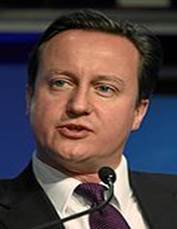
David William Donald Cameron is the Prime Minister of the United Kingdom and Leader of the Conservative Party. Cameron has a public image of a young, moderate candidate who can appeal to young voters. At age 43, Cameron became the youngest British Prime Minister since Lord Liverpool, who was appointed in 1812. The Cameron Ministry is the first coalition government in the United Kingdom since the Second World War. The Conservatives and Liberal Democrats control 363 seats in the House of Commons, with a majority of 76 seats. Cameron describes himself as a "modern compassionate conservative" and has spoken of a need for a new style of politics. He has stated that he is a big Thatcher fan. He has also claimed to be a "liberal Conservative", and "not a deeply ideological person. In the first month of Cameron's leadership, the Conservative Party's standing in opinion polls rose.
|
 For electoral purposes Britain is divided into constituencies; citizens in all the various British constituencies vote for their local MP. The British government is elected for 5 years and it is the Prime Minister who chooses the date of the next General Elections. When the date is announced the Prime Minister usually asks the Queen to dissolve Parliament. So, the election campaign is launched all over the country and it usually lasts about three weeks. Voting takes place on Polling Day. When the results are known and it becomes clear what party has a majority of seats in the House of Commons, its leader forms a government by Her Majesty's request.