Unit 3
Wagons and Carriages
Part 1 Goods Wagons
Start up
1. What are wagons used for? Why there exist a wide variety of wagons? What do you think the most common type is?
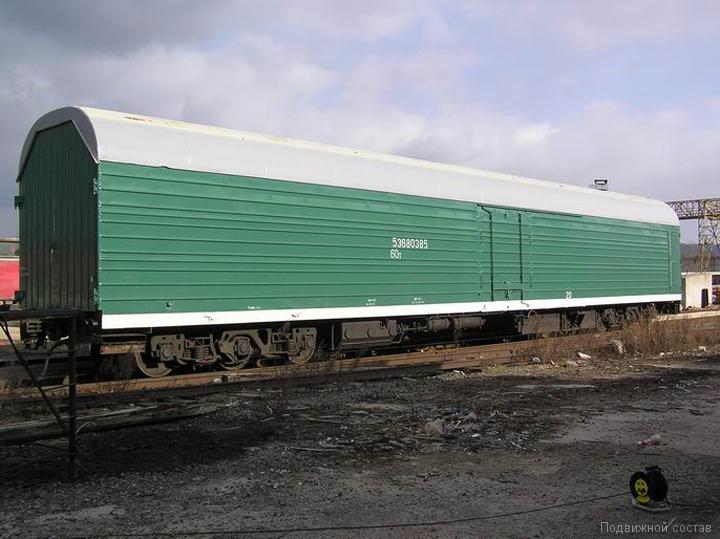
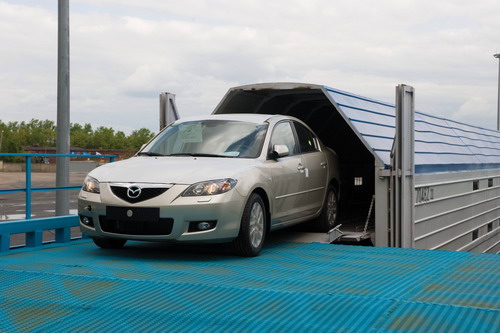
A) Match the pictures and the names of wagon types.


A. B.

C. D.

E. F.
| 1 a covered wagon (or a van) (UK)/
boxcar (USA)
2 a flat (or a flat wagon) (UK)/flatcar (USA)
3 an open wagon (UK)/gondola (USA)
4 a tanker (UK)/a tank car (USA)
5 a refrigerator
6 an auto rack
7 a hopper
|

G.
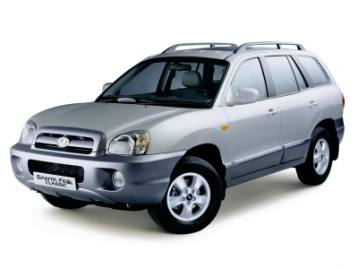
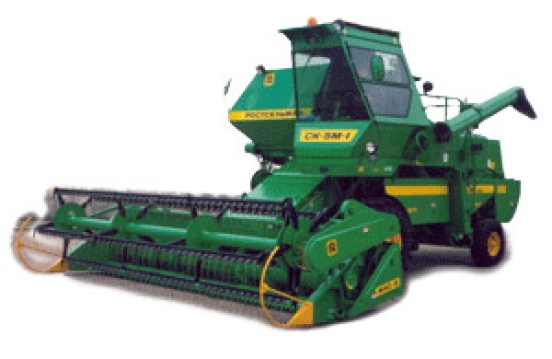
B) Name the commodities. Use the words from the box.
| milk mineral water fertilizers containers machinery pipes coal crushed rock flour vegetables fruit meat fish grain sand petroleum products flowers timber cars
|


A. B. C.


D. E. F.


G. H. I.


J. K. L.


M. N. O.


P. Q.

R. S.
с) Use the words in a) and b) to make sentences.
An open wagon is used to carry coal, ore, coke, gravel and the like.
| Did you know?
In the USA the term ‘ rolling stock ’ is used to describe all the vehicles that move on a railway. It includes both powered and unpowered vehicles, for example locomotives, railroad cars and coaches. However, in the United Kingdom, the term is used to refer only to non-powered vehicles; specifically excluding locomotives which may be referred to as traction power or motive power. The Americans also use the term equipment (подвижной состав).
|
| British English
goods wagon
van/ covered wagon
flat/flat wagon
open wagon
tanker/tank wagon
refrigerator van
hopper wagon
timber
luggage
| American English
freight car
boxcar
flatcar
gondola
tank car
refrigerator car
hopper car
lumber
baggage
|