Студопедия Главная Случайная страница Обратная связь

Разделы: Автомобили Астрономия Биология География Дом и сад Другие языки Другое Информатика История Культура Литература Логика Математика Медицина Металлургия Механика Образование Охрана труда Педагогика Политика Право Психология Религия Риторика Социология Спорт Строительство Технология Туризм Физика Философия Финансы Химия Черчение Экология Экономика Электроника

Destructors


A destructor is a member that implements the actions required to destruct an instance of a class. A destructor is declared using a destructor-declaration:

destructor-declaration:
attributesopt externopt ~ identifier () destructor-body

destructor-body:
block
;

A destructor-declaration may include a set of attributes (§17).

The identifier of a destructor-declarator must name the class in which the destructor is declared. If any other name is specified, a compile-time error occurs.

When a destructor declaration includes an extern modifier, the destructor is said to be an external destructor. Because an external destructor declaration provides no actual implementation, its destructor-body consists of a semicolon. For all other destructors, the destructor-body consists of a block which specifies the statements to execute in order to destruct an instance of the class. A destructor-body corresponds exactly to the method-body of an instance method with a void return type (§10.6.10).

Destructors are not inherited. Thus, a class has no destructors other than the one which may be declared in that class.

Since a destructor is required to have no parameters, it cannot be overloaded, so a class can have, at most, one destructor.

Destructors are invoked automatically, and cannot be invoked explicitly. An instance becomes eligible for destruction when it is no longer possible for any code to use that instance. Execution of the destructor for the instance may occur at any time after the instance becomes eligible for destruction. When an instance is destructed, the destructors in that instance’s inheritance chain are called, in order, from most derived to least derived. A destructor may be executed on any thread. For further discussion of the rules that govern when and how a destructor is executed, see §3.9.

The output of the example

using System;

class A
{
~A() {
Console.WriteLine("A's destructor");
}
}

class B: A
{
~B() {
Console.WriteLine("B's destructor");
}
}

class Test
{
static void Main() {
B b = new B();
b = null;
GC.Collect();
GC.WaitForPendingFinalizers();
}
}

is

B’s destructor
A’s destructor

since destructors in an inheritance chain are called in order, from most derived to least derived.

Destructors are implemented by overriding the virtual method Finalize on System.Object. C# programs are not permitted to override this method or call it (or overrides of it) directly. For instance, the program

class A
{
override protected void Finalize() {} // error

public void F() {
this.Finalize(); // error
}
}

contains two errors.

The compiler behaves as if this method, and overrides of it, do not exist at all. Thus, this program:

class A
{
void Finalize() {} // permitted
}

is valid, and the method shown hides System.Object’s Finalize method.

For a discussion of the behavior when an exception is thrown from a destructor, see §16.3.


Дата добавления: 2015-09-07; просмотров: 530. Нарушение авторских прав; Мы поможем в написании вашей работы!


Аальтернативная стоимость. Кривая производственных возможностей В экономике Буридании есть 100 ед. труда с производительностью 4 м ткани или 2 кг мяса...


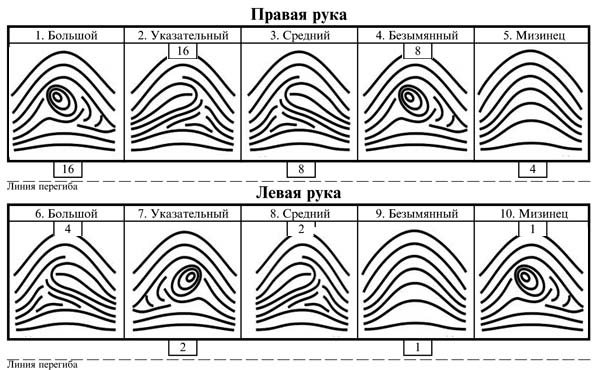
Вычисление основной дактилоскопической формулы Вычислением основной дактоформулы обычно занимается следователь. Для этого все десять пальцев разбиваются на пять пар...


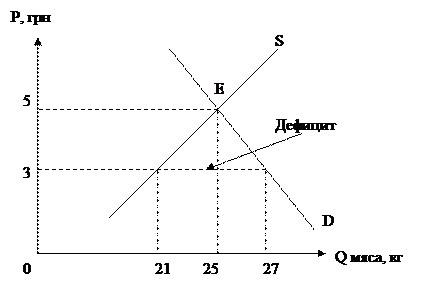
Расчетные и графические задания Равновесный объем - это объем, определяемый равенством спроса и предложения...


Кардиналистский и ординалистский подходы Кардиналистский (количественный подход) к анализу полезности основан на представлении о возможности измерения различных благ в условных единицах полезности...

ПРОФЕССИОНАЛЬНОЕ САМОВОСПИТАНИЕ И САМООБРАЗОВАНИЕ ПЕДАГОГА Воспитывать сегодня подрастающее поколение на со­временном уровне требований общества нельзя без по­стоянного обновления и обогащения своего профессио­нального педагогического потенциала...

Эффективность управления. Общие понятия о сущности и критериях эффективности. Эффективность управления – это экономическая категория, отражающая вклад управленческой деятельности в конечный результат работы организации...

Мотивационная сфера личности, ее структура. Потребности и мотивы. Потребности и мотивы, их роль в организации деятельности...

Признаки классификации безопасности Можно выделить следующие признаки классификации безопасности. 1. По признаку масштабности принято различать следующие относительно самостоятельные геополитические уровни и виды безопасности. 1.1. Международная безопасность (глобальная и...

Прием и регистрация больных Пути госпитализации больных в стационар могут быть различны. В цен­тральное приемное отделение больные могут быть доставлены: 1) машиной скорой медицинской помощи в случае возникновения остро­го или обострения хронического заболевания...

ПУНКЦИЯ И КАТЕТЕРИЗАЦИЯ ПОДКЛЮЧИЧНОЙ ВЕНЫ   Пункцию и катетеризацию подключичной вены обычно производит хирург или анестезиолог, иногда — специально обученный терапевт...

Studopedia.info - Студопедия - 2014-2026 год . (0.009 сек.) русская версия | украинская версия