Студопедия Главная Случайная страница Обратная связь

Разделы: Автомобили Астрономия Биология География Дом и сад Другие языки Другое Информатика История Культура Литература Логика Математика Медицина Металлургия Механика Образование Охрана труда Педагогика Политика Право Психология Религия Риторика Социология Спорт Строительство Технология Туризм Физика Философия Финансы Химия Черчение Экология Экономика Электроника

Match the columns. Study the words and then use them for your speaking activity


A B
1. agora a. covered walkways or porticos, often used by merchants to sell their goods, artists to display their artwork
2. a theater b. a place where the young men were educated both in intellectual matters and in athletics
3. an acropolis c. the word derives from the Ancient Greek theatron, meaning “the seeing place”
4. a stadion d. a building which housed the council of citizens (boule) in Ancient Greece
5. bouleterion e. a political unit consisting of a city and its surrounding territory with a strong self-governing system
6. a city-state f. an open “place of assembly” where free-born male land-owners who were citizens would gather for military duty or to hear statements of the ruling king or council
7. stoa g. for purposes of defense, people chose elevated ground, often a hill; in many parts of the world, these early citadels became the nuclei of large cities


Task IV.

Answer the following questions.


1. What changes took place in Ancient Greece when the Dark Ages were over?

2. What were the new types of villages called?

3. What were they characterized by?

4. What was a typical plan of a city-state? What basic elements did it comprise?

5. What activity was held in these poleis?

6. Name some of the city-states.


Task V.

Develop your speaking activity. Choose one of the topics to discuss.

ü Typical features of an ancient city-state.

ü Types of its buildings and the purposes they served.

ü Suppose you are an ancient ruler, arrange a plan of your own city-state and describe it.


Athenians thought of themselves as the shining star of the Greek city-states. They were famous for their literature, poetry, drama, theatre, schools, buildings, and government.

Before the Greek Dark Ages, Athens was a small village where a tribe of Ionian people lived. After the Dark Ages, the city grew rapidly until it became one of the two most powerful city-states in the ancient Greek world. (The other one was Sparta.)

The Athenians, who devoted themselves to the arts and sciences, were very different from the ancient Spartans, famous for their military strength.

The Greeks believed that each city-state in ancient Greece had a God or Goddess as their special patron. For Athens, it was Athena, the Goddess of Wisdom. May be, it explains why the Athenians put a great deal of emphasis on education. Girls learned at home from their mothers how to run a home and be good wives and mothers.

Boys were educated quite differently. Until the age 6 or 7, they were taught at home by their mothers. From 7-14, boys attended a day school outside the home, where they memorized Homeric poetry and learned to play the lyre. They also studied Drama, Public Speaking, Reading, Writing, Maths, and perhaps even how to play the flute. After middle school, they went to a four - year high school to learn more about Maths, Science, and Government. At 18, teenagers attended two years of military school.

A Rich Man’s House in Greece

The men of Athens met each week to discuss problems, worked on solutions.

Unlike most Greek city-states that were ruled by kings, the Athenians experimented with the government. For about 100 years, Athens was a direct democracy.


Task I.


Дата добавления: 2014-12-06; просмотров: 713. Нарушение авторских прав; Мы поможем в написании вашей работы!


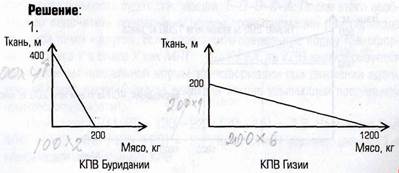
Аальтернативная стоимость. Кривая производственных возможностей В экономике Буридании есть 100 ед. труда с производительностью 4 м ткани или 2 кг мяса...


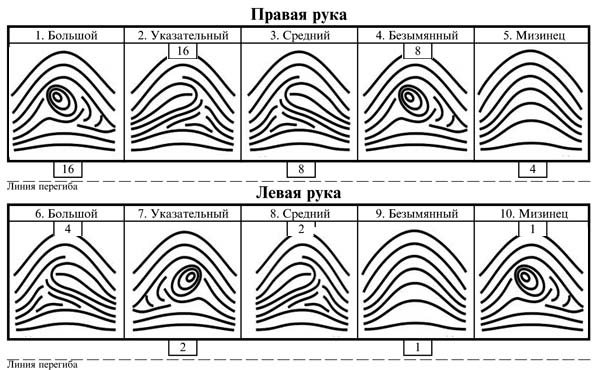
Вычисление основной дактилоскопической формулы Вычислением основной дактоформулы обычно занимается следователь. Для этого все десять пальцев разбиваются на пять пар...


Расчетные и графические задания Равновесный объем - это объем, определяемый равенством спроса и предложения...


Кардиналистский и ординалистский подходы Кардиналистский (количественный подход) к анализу полезности основан на представлении о возможности измерения различных благ в условных единицах полезности...

Тема: Составление цепи питания Цель: расширить знания о биотических факторах среды. Оборудование:гербарные растения...

В эволюции растений и животных. Цель: выявить ароморфозы и идиоадаптации у растений Цель: выявить ароморфозы и идиоадаптации у растений. Оборудование: гербарные растения, чучела хордовых (рыб, земноводных, птиц, пресмыкающихся, млекопитающих), коллекции насекомых, влажные препараты паразитических червей, мох, хвощ, папоротник...

Типовые примеры и методы их решения. Пример 2.5.1. На вклад начисляются сложные проценты: а) ежегодно; б) ежеквартально; в) ежемесячно Пример 2.5.1. На вклад начисляются сложные проценты: а) ежегодно; б) ежеквартально; в) ежемесячно. Какова должна быть годовая номинальная процентная ставка...

Предпосылки, условия и движущие силы психического развития Предпосылки –это факторы. Факторы психического развития –это ведущие детерминанты развития чел. К ним относят: среду...

Анализ микросреды предприятия Анализ микросреды направлен на анализ состояния тех со­ставляющих внешней среды, с которыми предприятие нахо­дится в непосредственном взаимодействии...

Типы конфликтных личностей (Дж. Скотт) Дж. Г. Скотт опирается на типологию Р. М. Брансом, но дополняет её. Они убеждены в своей абсолютной правоте и хотят, чтобы...

Studopedia.info - Студопедия - 2014-2026 год . (0.014 сек.) русская версия | украинская версия