Студопедия Главная Случайная страница Обратная связь

Разделы: Автомобили Астрономия Биология География Дом и сад Другие языки Другое Информатика История Культура Литература Логика Математика Медицина Металлургия Механика Образование Охрана труда Педагогика Политика Право Психология Религия Риторика Социология Спорт Строительство Технология Туризм Физика Философия Финансы Химия Черчение Экология Экономика Электроника

Adverbial Modifiers of Time


often — seldom

usually — sometimes

always — never

every day / — from time to time

year / month, week

ones a day(a week, a month), twice a day (a week, a month), three times a day (a week, a month)

Exersice.1Put the verbs given below in the 3rd person Singular. Mind the reading of ending (e)s ([z],[s],[iz]). Make three columns:

to become, to do well, to give a lecture, to attend a language laboratory, to miss a lecture, to make poor progress, to catch up, to graduate from, to get grant, to loaf, to enter the university, to sit for exams, to pass an exams, to fail, to resit for an exam, to take marks, to go in for sports, to play sport games, to have a good time, to make up one’s mind, to carry away the audiences, to hunger for knowledge, to learn with ease.

Exercise 2.Express your agreement with the following statements.

Use the phrases: certainly, it is really so, you are right. I agree with you as in the model:

My group-mates take notes of a lecture Certainly, my group-mates take notes of a lecture
Model:


1. He gets grants (scholarship).

2. Sometimes she misses lectures.

3. We often make reports and read papers.

4. Kate lives not far from the University.

5. His working day lasts 6 hours.

Exercise 3. Object to the sentences. Use the phrases: No, it is not so? I am afraid you are wrong I can’t agree with you;. On the contrary as in the model:

I make poor progress at the University I am afraid you are wrong. You don’t make poor progress at the University
Model:

1. She skips lectures.

2. Ann studies special subjects.

3. We miss our parents.

4. They usually go home on their days off.

5. My brother takes a preparatory course at the University of Kherson.


Exercise 4. Express your surprise and give short affirmative (negative) answers as in the model:

My friend lives not far from the University. Does your friend really live not far from the University? Yes,he does. No,he does not.  
Model:


1. Peter studies general and special subjects.

2. Her friend seldom does his laboratory work.

3. We take part in social activities.

4. More than a thousand freshmen arrive at the University every year.

5. Our group usually has a lot of fun together.


Exercise 5. Add tag-questions to the following statements and agree or disagree with them as in the model:

a)They always discuss the important questions. They always discuss the important questions, don’t they?-Oh, yes they do. b) They don’t discuss the important questions? They don’t discuss the important questions, do they? Oh no, they don’t.  
Model:

1. a) Sometimes our students go to the theatre.

b) Our students don’t go to the theatre.

2. a) The teacher usually corrects our mistakes.

b) The teacher doesn’t correct our mistakes.

3. a) We have an English lesson once a week.

b) We don’t have an English lesson twice a week.

4. a) My brother always works in the library.

b) My brother doesn’t work in the library

5. a) It takes them twenty minutes to get to the University.

b) It doesn’t take them twenty minutes to get to the University.


Exercise 6.React the questions making a choice as in the model. Use the word “surely” as in the model:

Does he or she live at home? He lives at home surely.


Model:


1. Do you take good or bad marks?

2. Does your friend go by bus or by car to get to the University?

3. Do they go home or to the library after lessons?

4. Does she go to the canteen or have dinner at home?

5. Do your lessons begin at 8 o’clock or at 8.30 o’clock?

6. Do you work or study?

7. Does your mother teach at school or at the University?


Exercise 7. Ask a person who questions and answer them as in the model:

His mother teaches at the University. Who teachers at the University? His mother does.
Model:

1. Some of our students study German and French.

2. Petrov always asks a lot of questions.

3. We often celebrate holidays together.

4. From time to time Ivanov skips lectures.

5. After classes I usually go to the laboratory.


Exercise 8.Ask your friend all possible questions to the following sentences

The audience always listens to the professor N. with great interest. Does the audience always listen to the professor N. with great interest? How does the audience always listen to the professor N.? Who listens to the professor N. with great interest? Does the audience always listen to the professor N. or D. with great interest? The audience always listens to the professor N. with great interest, doesn’t it?
Model:


1. Weusually have three periods a day.

2. Most of our students like to play computer games.

3. His friend does well at the University.

4. Sometimes our daughter resists for tests.

5. They like the exact sciences most of all.


Дата добавления: 2015-10-15; просмотров: 336. Нарушение авторских прав; Мы поможем в написании вашей работы!


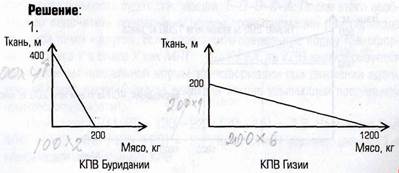
Аальтернативная стоимость. Кривая производственных возможностей В экономике Буридании есть 100 ед. труда с производительностью 4 м ткани или 2 кг мяса...


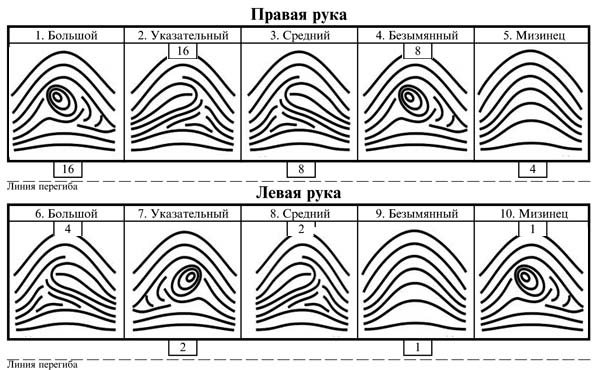
Вычисление основной дактилоскопической формулы Вычислением основной дактоформулы обычно занимается следователь. Для этого все десять пальцев разбиваются на пять пар...


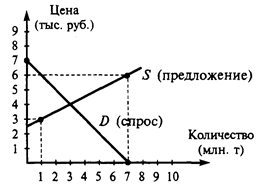
Расчетные и графические задания Равновесный объем - это объем, определяемый равенством спроса и предложения...


Кардиналистский и ординалистский подходы Кардиналистский (количественный подход) к анализу полезности основан на представлении о возможности измерения различных благ в условных единицах полезности...

Концептуальные модели труда учителя В отечественной литературе существует несколько подходов к пониманию профессиональной деятельности учителя, которые, дополняя друг друга, расширяют психологическое представление об эффективности профессионального труда учителя...

Конституционно-правовые нормы, их особенности и виды Характеристика отрасли права немыслима без уяснения особенностей составляющих ее норм...

Толкование Конституции Российской Федерации: виды, способы, юридическое значение Толкование права – это специальный вид юридической деятельности по раскрытию смыслового содержания правовых норм, необходимый в процессе как законотворчества, так и реализации права...

Седалищно-прямокишечная ямка Седалищно-прямокишечная (анальная) ямка, fossa ischiorectalis (ischioanalis) – это парное углубление в области промежности, находящееся по бокам от конечного отдела прямой кишки и седалищных бугров, заполненное жировой клетчаткой, сосудами, нервами и...

Основные структурные физиотерапевтические подразделения Физиотерапевтическое подразделение является одним из структурных подразделений лечебно-профилактического учреждения, которое предназначено для оказания физиотерапевтической помощи...

Почему важны муниципальные выборы? Туристическая фирма оставляет за собой право, в случае причин непреодолимого характера, вносить некоторые изменения в программу тура без уменьшения общего объема и качества услуг, в том числе предоставлять замену отеля на равнозначный...

Studopedia.info - Студопедия - 2014-2026 год . (0.013 сек.) русская версия | украинская версия