Студопедия Главная Случайная страница Обратная связь

Разделы: Автомобили Астрономия Биология География Дом и сад Другие языки Другое Информатика История Культура Литература Логика Математика Медицина Металлургия Механика Образование Охрана труда Педагогика Политика Право Психология Религия Риторика Социология Спорт Строительство Технология Туризм Физика Философия Финансы Химия Черчение Экология Экономика Электроника

PASSIVE (5)


9. Match the beginning of the sentence on the left with its ending on the right.


1. The experiment a) been held recently?
2. The mail b) was erected three hundred years ago.
3. These machines c) was being looked for everywhere.
4. When can the new equipment d) will be described in several journals.
5. It’s a pity the concert e) are made and contracts are signed in this office.
6. Are the orders f) is being designed by several well-known architects.
7. If we use the old methods, a lot of time g) were built with very simple tools many years ago.
8. Something important h) was not recorded.
9. No decisions i) are going to be tested again.
10. This monument j) have been taken yet.
11. Offers k) was being discussed, so I sat down to listen.
12. Have any interesting exhibitions or fairs l) may be wasted and very little be achieved.
13. All these little wooden houses m) always fulfilled in time?
14. The future church n) is usually brought at 9 a.m.
15. The lost dog o) be installed?


10. Change the following sentences into the Passive Voice, using the Indefinite Tenses (give two forms where possible).


Example: Tom gave her a book. – She was given a book. The book was given to her.


1. He broke my watch.

2. The teacher explained the rule to the students.

3. He often asks me to help them.

4. They usually do written exercises in class.

6. She will make a new discovery soon.

7. Steve will make a report at the conference.

8. They play tennis all year round.

9. His friends never forgave his betrayal.

10. The manager offers me several jobs.

11. They will promise you much, but don't imagine they will give you everything.

12. His parents regularly sent him parcels with fruit from their garden.

13. They will give me a leave in July if there is no urgent work.

14. The Spanish government offered Columbus three ships.

15. They usually send their children to camp for summer.

16. The officer charged him with a very important mission.

17. I'm sure we'll settle the matter easily.

18. The policeman fined the driver for exceeding the speed limit.

19. Somebody calls her every day.

20. We request the passengers leaving for London to register.

21. The manager will sign contracts tomorrow.


11. Change the following sentences into the Passive Voice, using the Indefinite Tenses (pay attention to prepositions).


Example: She looks after him well. — He is well looked after (by her).


1. We sent for the police.

2. They speak much about this book.

3. They often laugh at him.

4. They listened to our conversation very attentively.

5. I think they will wait for us only in a week.

6. Nobody took notice of his late arrival.

7. We looked through all the advertisements very attentively.

8. He was a brilliant speaker, and whenever he spoke, the audience listened to him with great attention.

9. They will look after him in hospital much better.

10. Everybody looked at her new dress with interest.

11. She sent them for a taxi.

12. People will talk much about the successful performance of the young actress.

13. They always make fun of him.

14. The teacher pointed out gross mistakes in the translation.

15. He referred to very interesting plans. They agreed upon Monday as the most suitable day. He did not touch upon this question unfortunately. They spoke to him about his promotion yesterday.


12. Change the following sentences into the Passive Voice, using the Continuous Tenses.


Example: They are solving a difficult problem now. — The problem is being solved now.


1. Don't come in! The professor is examining students.

2. Can I read the article? — No, the secretary is typing it.

3. We had to hurry. They were waiting for us.

5. It was noisy. Nobody was listening to him.

6. Does he realize that they are laughing at him?

7. Look at this man. I think he is following us.

8. Listen carefully! He is giving a very interesting talk.

9. The waiter is serving us rather fast.

10. The secretary was looking through morning mail.

11. The interpreter is translating their conversation rather well.

12. The briefing is in full swing. The correspondents are interviewing the participants of the conference.

13. The company was developing a new project.

14. You can't watch the film now. The mechanic is fixing the TV set.


UNIT 27:

NATO


Дата добавления: 2014-11-10; просмотров: 1652. Нарушение авторских прав; Мы поможем в написании вашей работы!


Практические расчеты на срез и смятие При изучении темы обратите внимание на основные расчетные предпосылки и условности расчета...


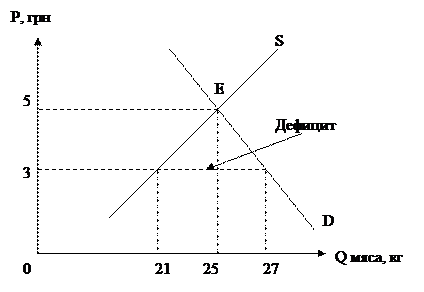
Функция спроса населения на данный товар Функция спроса населения на данный товар: Qd=7-Р. Функция предложения: Qs= -5+2Р,где...


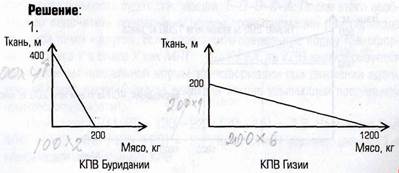
Аальтернативная стоимость. Кривая производственных возможностей В экономике Буридании есть 100 ед. труда с производительностью 4 м ткани или 2 кг мяса...


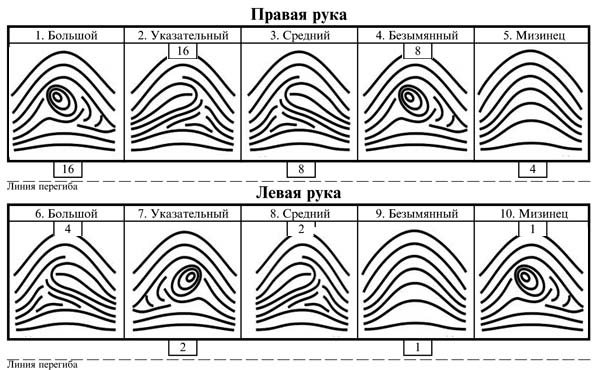
Вычисление основной дактилоскопической формулы Вычислением основной дактоформулы обычно занимается следователь. Для этого все десять пальцев разбиваются на пять пар...

Шов первичный, первично отсроченный, вторичный (показания) В зависимости от времени и условий наложения выделяют швы: 1) первичные...

Предпосылки, условия и движущие силы психического развития Предпосылки –это факторы. Факторы психического развития –это ведущие детерминанты развития чел. К ним относят: среду...

Анализ микросреды предприятия Анализ микросреды направлен на анализ состояния тех со­ставляющих внешней среды, с которыми предприятие нахо­дится в непосредственном взаимодействии...

Кишечный шов (Ламбера, Альберта, Шмидена, Матешука) Кишечный шов– это способ соединения кишечной стенки. В основе кишечного шва лежит принцип футлярного строения кишечной стенки...

Принципы резекции желудка по типу Бильрот 1, Бильрот 2; операция Гофмейстера-Финстерера. Гастрэктомия Резекция желудка – удаление части желудка: а) дистальная – удаляют 2/3 желудка б) проксимальная – удаляют 95% желудка. Показания...

Ваготомия. Дренирующие операции Ваготомия – денервация зон желудка, секретирующих соляную кислоту, путем пересечения блуждающих нервов или их ветвей...

Studopedia.info - Студопедия - 2014-2026 год . (0.011 сек.) русская версия | украинская версия